CHL Systems Blog
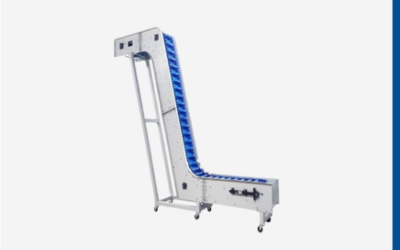
How Z-Conveyors Improve Efficiency in Food Processing | Souderton, PA
Quick Answer A Z-conveyor moves product between levels within a single compact footprint, so a plant can connect lines on different floors or mezzanines without running a long flat conveyor across the building. In food processing, that saves floor space, keeps product...
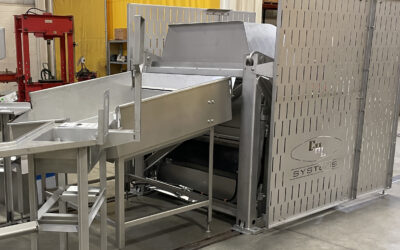
Top 7 Benefits of Modern Dumpers in Food Processing Plants (Souderton, PA)
Quick Answer Modern food-plant dumpers lift totes up to 3,000 pounds, protect workers, reduce sanitation risk, and keep ingredients flowing steadily downstream. Nobody puts tote handling on the plant tour. Conveyors get the spotlight, robots get the video, and the...
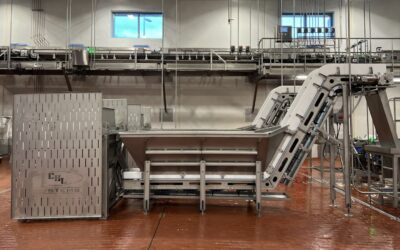
What Are Sanitary Conveyor Design Standards and Why Do They Matter?
Quick Answer Sanitary conveyor design standards are the hygienic engineering rules that make a conveyor safe to use in food production. They come from bodies like 3-A Sanitary Standards, EHEDG, NSF, BISSC, and USDA, and they cover materials, surface finish, welds,...
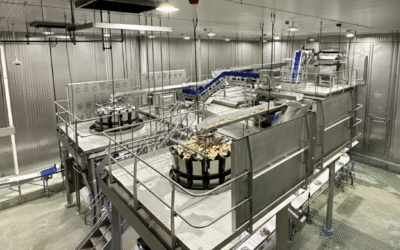
5 Key Benefits of Elevated Platforms in Food Processing
From improved hygiene to smarter facility layouts, food processing platforms are transforming modern production. Explore the 5 key benefits driving this shift in food manufacturing.
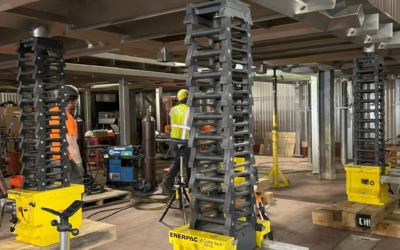
The Engineering Challenges Behind Vertical Weigh Scale Platforms
By Mike Giagnacova, CEO of CHL Systems When people ask me how CHL got into the vertical weigh head platform business, I always tell them it wasn't our original plan. As a manufacturer of conveyance and process improvement equipment in the food industry, we naturally...
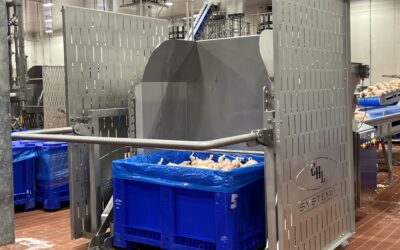
The 4 Most Common Dumpers for Food Processing: Understanding the Difference
What is a Dumper? In the food processing industry, a dumper is a crucial piece of equipment that helps move and transfer bulk materials. Dumpers are designed to safely tilt or invert a large container, emptying its contents onto a conveyor belt, into a hopper or...