| Quick Answer
Sanitary conveyor design standards are the hygienic engineering rules that make a conveyor safe to use in food production. They come from bodies like 3-A Sanitary Standards, EHEDG, NSF, BISSC, and USDA, and they cover materials, surface finish, welds, drainage, and cleanability. In short, they ensure a conveyor can be cleaned thoroughly and will not harbor bacteria. They matter because poorly designed equipment is a leading cause of contamination, recalls, and failed audits. |
In a food plant, a conveyor is not just a way to move product from point A to point B. It is a food-contact surface, and every crevice, weld, and fastener on it is a potential place for bacteria to hide.
That is why sanitary design is not an afterthought. It is engineered into the equipment from the first drawing. This guide explains the standards that govern sanitary conveyors, what they require, and why getting them right protects your product, your brand, and your bottom line.
What Are Sanitary Conveyor Design Standards?
Sanitary conveyor design standards are a set of hygienic engineering requirements for equipment that touches or moves food. Their goal is simple: build a conveyor that can be cleaned to a microbiological level and that gives bacteria nowhere to grow.
These standards are developed and maintained by several respected organizations, each with a slightly different focus:
- 3-A Sanitary Standards (3-A SSI): widely used US benchmark for hygienic equipment design, referenced by USDA and FDA.
- EHEDG: the European Hygienic Engineering and Design Group, whose guidelines and certification are recognized worldwide.
- NSF/ANSI: standards and certification for the safety and sanitation of food equipment.
- BISSC: the Baking Industry Sanitation Standards Committee, focused on bakery equipment.
- USDA and FDA: federal requirements, including cGMP rules under 21 CFR 117, that equipment must support.
They are not all identical, but they share the same DNA: build equipment that is easy to clean, inspect, and maintain. For a deeper look at how the right equipment supports these goals, our team’s approach to conveyance and process improvement is built around them.
Why Do Sanitary Conveyor Design Standards Matter?
The stakes are high. A single crevice, a poorly polished weld, or an incompatible gasket can harbor pathogens, and that can turn into a costly recall or a public health crisis.
Here is why sanitary design deserves serious attention:
- Food safety: hygienic design directly reduces the risk of contamination and foodborne illness.
- Regulatory compliance: it keeps you aligned with USDA, FDA, and audit requirements, avoiding fines and shutdowns.
- Recall prevention: equipment that cannot be cleaned is a leading cause of persistent contamination and recalls.
- Operational efficiency: cleanable equipment means faster sanitation, less downtime, and lower labor cost.
- Brand protection: one contamination event can undo years of brand trust.
Put simply, sanitary design is cheaper than a recall. It is an investment that pays back every single day the line runs clean.
The Key Principles of Sanitary Conveyor Design
Most standards trace back to a shared set of hygienic design principles. These are the ones that matter most for conveyors:
1. Cleanable to a Microbiological Level
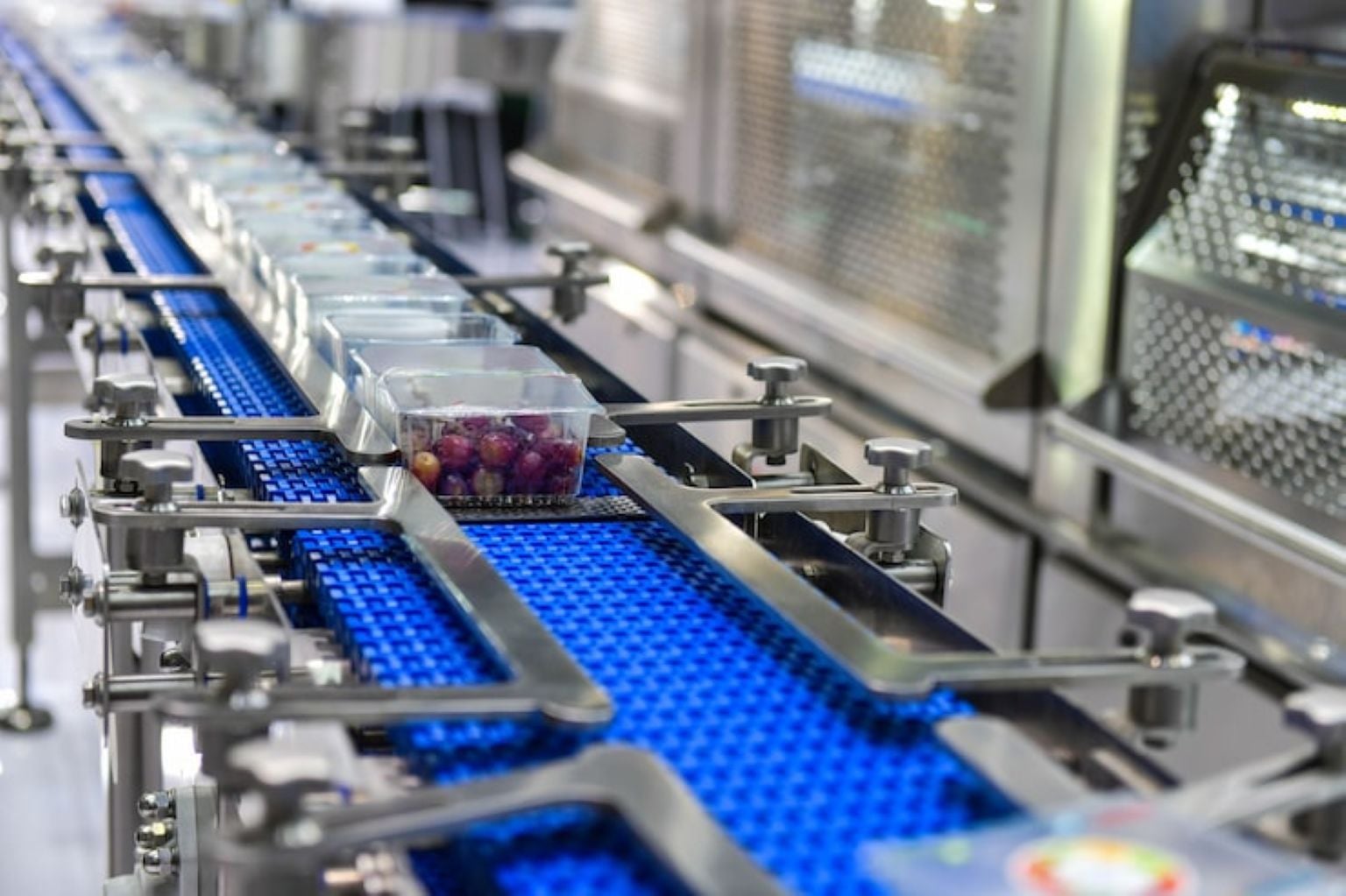
The conveyor must be designed so that routine cleaning reaches every surface. This means open frames, accessible belt returns, and no hidden pockets where soil can collect.
2. Made of Compatible Materials
Product-contact surfaces are typically 304 or 316L stainless steel, chosen because it resists corrosion from food acids and harsh cleaning chemicals. Every material, including belts and gaskets, must be compatible with the product and the sanitizers used. Our stainless-steel conveyors and equipment are built around this principle.
3. Accessible for Inspection and Cleaning
Sanitation crews need to reach, see, and verify that every surface is clean. Tool-free disassembly and open designs make this fast and reliable, rather than a guessing game.
4. No Product or Liquid Collection
Surfaces should be self-draining, with no flat spots or dead ends where water and product can pool. Standing liquid is an invitation for bacterial growth.
5. Hollow Areas Sealed and Hygienic Fasteners
Hollow frame members must be fully sealed. Standard bolts and threads create harborage points, so continuous welds and hygienic fasteners are preferred wherever possible.
6. Smooth, Continuous Welds
Welds in the food-contact zone should be ground smooth and continuous, not stitched or pitted. A rough weld is a classic hiding place for bacteria that visual inspection can miss.
Sanitary Conveyor Surface Finish and Material Requirements
Standards get specific about materials and finishes. Here are the benchmarks that come up most often:
| Requirement | Typical Standard | Why It Matters |
| Contact surface material | 304 or 316L stainless steel | Resists corrosion and chemicals |
| Surface finish | 0.8 micron Ra or smoother | Denies bacteria a place to hide |
| Internal corner radius | Minimum 1/8 inch (3.2 mm) | Lets cleaning tools reach corners |
| Welds | Ground smooth and continuous | Removes crevices and pitting |
| Washdown rating | IP65 up to IP69K | Withstands high-pressure cleaning |
| Fasteners | Welded or hygienic type | Eliminates harborage points |
Note: a surface finish of 0.8 micron Ra is a common food-grade benchmark, since micro-roughness gives bacteria places to hide and macro-roughness traps soil.
| Planning a new line or upgrade?
CHL Systems engineers sanitary conveyors around these standards from the first drawing. Explore our design-build solutions or explore our system integration services to talk through your application. |
Washdown vs Dry Sanitary Conveyors
Not every food environment is the same, and the right sanitary design depends on how the equipment will be cleaned. The two broad categories are:
| Factor | Washdown Conveyors | Dry Cleaning Conveyors |
| Environment | Wet, high-moisture areas | Dry, low-moisture areas |
| Typical products | Raw protein, produce, dairy | Bakery, snacks, confectionery |
| Cleaning method | High-pressure water, CIP | Brushing, air, wiping, COP |
| Stainless grade | Often 316 for corrosion | 304 is common |
| Sealing | IP69K, fully sealed | Sealed against dust and debris |
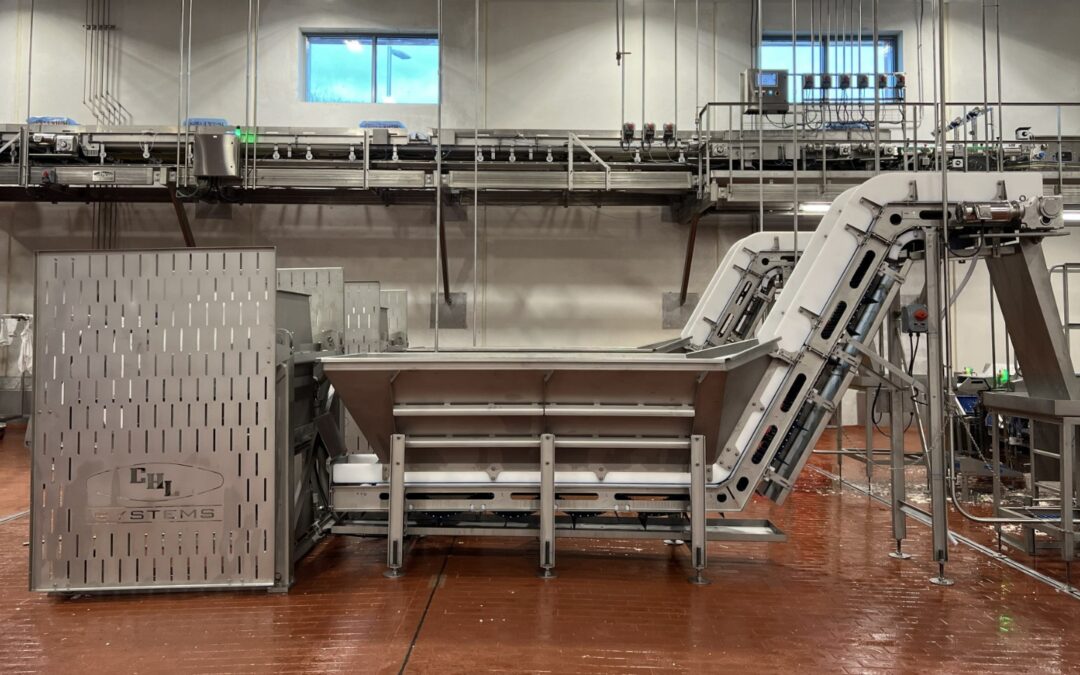
Matching the conveyor to the environment is a core part of getting sanitary design right. Our FT Series and washdown conveyors are configured for both wet and dry applications, and our vertical Z-Conveyors bring the same sanitary construction to space-saving vertical transport.
How to Choose the Right Sanitary Conveyor for Your Facility
Selecting a conveyor is about more than belt speed. Use this checklist to keep sanitary design front and center:
| ✓ Match the design to your cleaning method, wet or dry
✓ Confirm contact materials suit your product and sanitizers ✓ Look for open frames and tool-free disassembly ✓ Check the surface finish and weld quality ✓ Verify the washdown rating fits your sanitation protocol ✓ Ask about compliance with 3-A, NSF, or EHEDG ✓ Factor in maintenance access and spare parts |
A partner who designs and builds to your specific process makes this far easier. For guidance on the wider selection process, our overview of the key factors to consider when buying conveyors is a useful starting point, and our partnership with Intralox for box handling solutions shows how belt and component choices support sanitary goals.
Cleaning and Maintenance Best Practices
Even the best-designed conveyor only stays sanitary with the right upkeep. Build these habits into your program:
- Follow a written sanitation schedule. Consistency is what keeps pathogens from establishing.
- Disassemble for deep cleaning. Use tool-free access to reach belt returns and hidden surfaces.
- Inspect welds and wear parts. Catch cracks, pitting, or worn belts before they become harborage points.
- Use compatible chemicals. Match sanitizers to your stainless grade to avoid corrosion.
- Keep genuine spare parts on hand. Worn components should be replaced, not patched.
Keeping the right replacement parts in stock helps you maintain sanitary standards without unplanned downtime.
Sanitary Design Across Food Industries
Sanitary principles are universal, but their priorities shift by sector. Raw protein lines demand aggressive washdown and corrosion resistance, while bakery and snack lines focus on dry cleaning and dust control. CHL Systems designs equipment across these food and beverage industries, adapting sanitary design to each product’s real hazards.
For bulk applications, our look at bulk material handling with the frozen block separator shows sanitary design applied to a specific challenge.
That experience shows up in real projects, from a meat stick packing line to a candy packing upgrade, each built to the sanitary demands of its product. Larger builds, like our work on the Bell & Evans chicken harvesting facility, apply the same standards at facility scale. When conveyors, packaging, and integration are engineered together, the whole line is easier to clean and run.
| Expert Insight
Sanitary design pays back fastest when it is considered before the equipment is built, not bolted on afterward. Retrofitting a non-hygienic conveyor to pass an audit almost always costs more than designing it right the first time. Involve your equipment partner early, ideally at the line-layout stage, so cleanability is engineered in rather than corrected later. |
What Sanitary Conveyors Cost, and the Return
Food-grade sanitary conveyors typically cost more than standard industrial conveyors, often in the range of two to four times as much. The reason is straightforward: every component, from the frame to the bearings to the fasteners, must resist corrosion and eliminate harborage points.
That premium buys real returns. Faster, more reliable cleaning lowers labor and downtime. Fewer contamination events means fewer recalls, and a clean audit history protects contracts and reputation. Measured over the life of the line, sanitary design is one of the better investments a processor can make.
The most cost-effective path is usually a custom system engineered around your process. CHL’s design-build and integration services bring conveyors, equipment, and controls together as one sanitary, efficient line. Our partnership approach to custom food processing equipment reflects how we build to each processor’s needs.
Frequently Asked Questions
What is sanitary conveyor design and why does my food business need it?
Sanitary conveyor design is the practice of engineering conveyors so they can be fully cleaned and will not harbor bacteria. Your food business needs it to prevent contamination, pass audits, meet USDA and FDA requirements, and avoid the cost and reputational damage of a recall.
What surface finish is required for a sanitary conveyor?
Product-contact surfaces are usually specified at 0.8 micron Ra or smoother, a common food-grade benchmark. A smoother finish denies bacteria places to hide and makes cleaning more effective. Welds should also be ground smooth and continuous, not left rough or pitted.
How do I choose the right sanitary conveyor for my facility?
Start with your cleaning method, wet or dry, then confirm the materials suit your product and sanitizers. Look for open frames, tool-free disassembly, quality welds, and an appropriate washdown rating, and confirm compliance with standards like 3-A, NSF, or EHEDG. A design-build partner can match all of this to your process.
How are sanitary conveyors cleaned and maintained?
Through a written sanitation schedule, tool-free disassembly for deep cleaning, regular inspection of welds and wear parts, and chemicals matched to the stainless grade. Keeping genuine spare parts on hand prevents worn components from becoming contamination risks.
Do sanitary conveyors cost more, and are they worth it?
Yes, food-grade sanitary conveyors often cost two to four times more than standard industrial conveyors, because every component must resist corrosion and eliminate harborage points. They are worth it, since faster cleaning, fewer recalls, and reliable audits protect both revenue and reputation.
Which standards apply to sanitary conveyor design?
The main ones are 3-A Sanitary Standards, EHEDG, NSF/ANSI, and BISSC for bakery equipment, supported by USDA and FDA cGMP rules. They differ in scope but share the same goal of hygienic, cleanable equipment. A knowledgeable manufacturer designs to the standards that fit your industry.
The Bottom Line
Sanitary conveyor design standards exist for one reason: to keep food safe. They shape everything from the grade of stainless steel to the smoothness of a weld, and they turn a simple conveyor into a food-contact surface you can trust. Ignoring them invites contamination, recalls, and failed audits. Following them protects your product, your customers, and your brand.
If you are planning a new line or upgrading an existing one, the smartest move is to build sanitary design in from the start. CHL Systems designs, builds, and installs custom sanitary conveyors and complete food processing systems engineered to the standards that matter. Explore our custom packaging and packoff systems to see how a fully integrated, sanitary line comes together.
| Build sanitary design into your next line.
Talk to CHL Systems about custom sanitary conveyor solutions engineered for food safety and efficiency. Explore our conveyance and material handling equipment to plan your next sanitary line. |